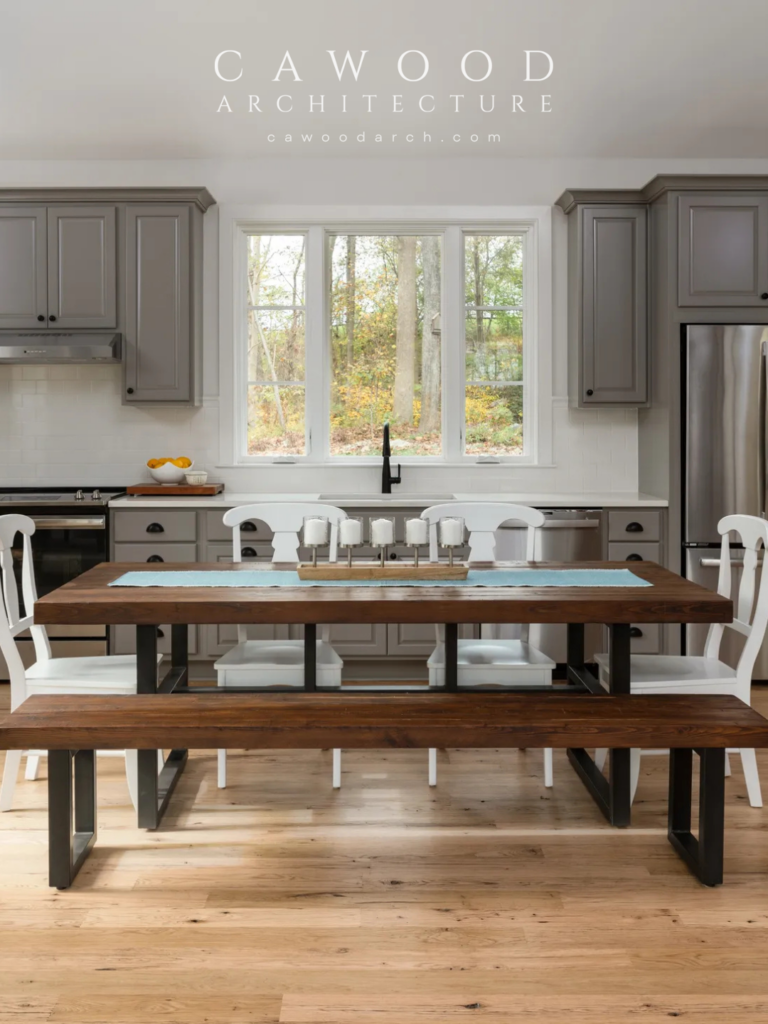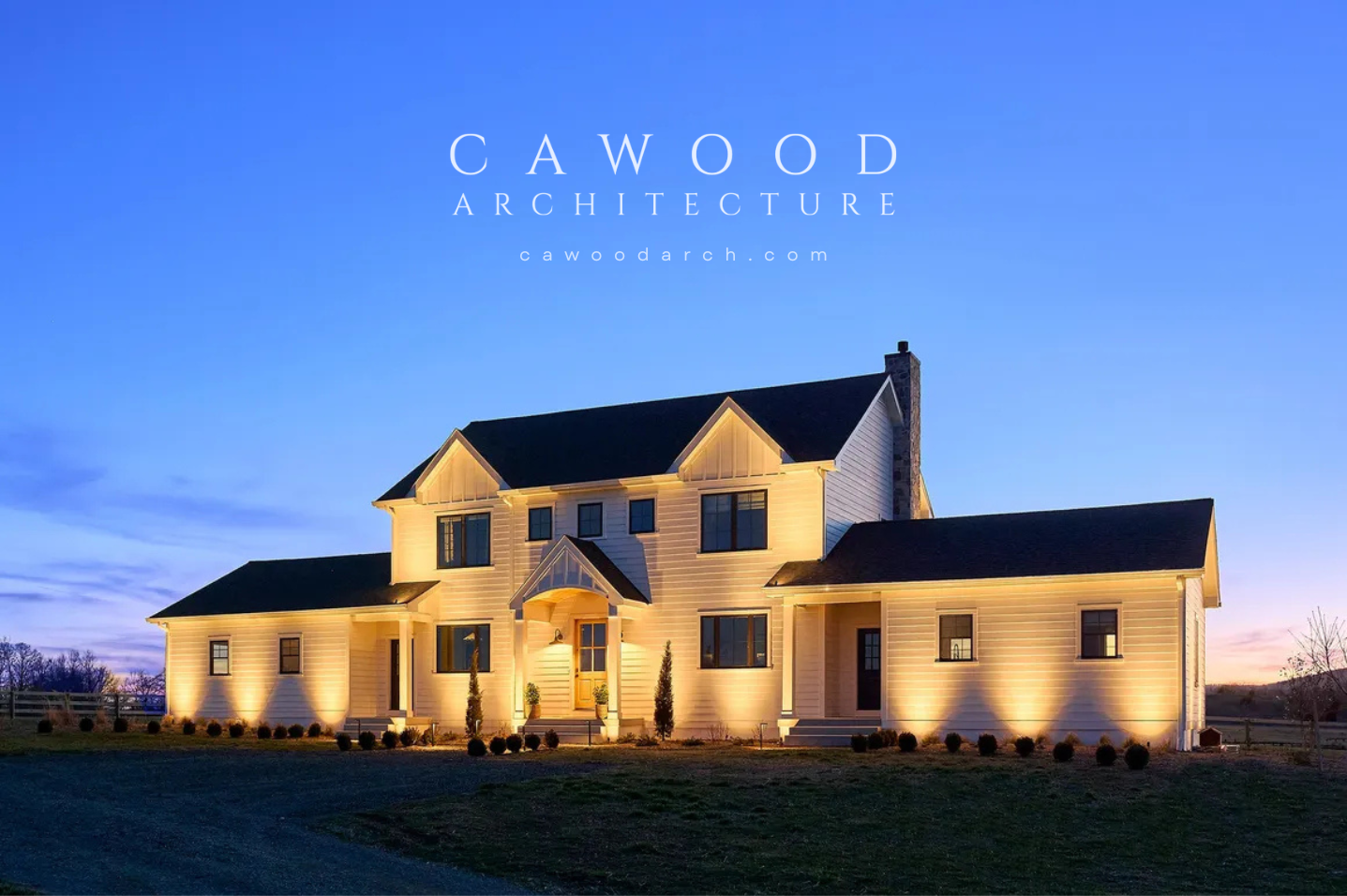
There’s a quiet confidence to a well-executed renovation—the kind that doesn’t announce itself with spectacle, but instead reveals its intelligence over time. It lives in the way light moves through a reworked space, in how old materials find new purpose, and in the subtle alignment between a home’s past and its present. This is the territory where Cawood Architecture seems most at ease.
Rather than imposing a singular aesthetic, their work tends to begin with a kind of listening. Existing structures are treated less as constraints and more as collaborators. Period details aren’t simply preserved for nostalgia’s sake; they’re understood, edited, and occasionally reinterpreted. The result is a dialogue between eras that feels deliberate rather than decorative.
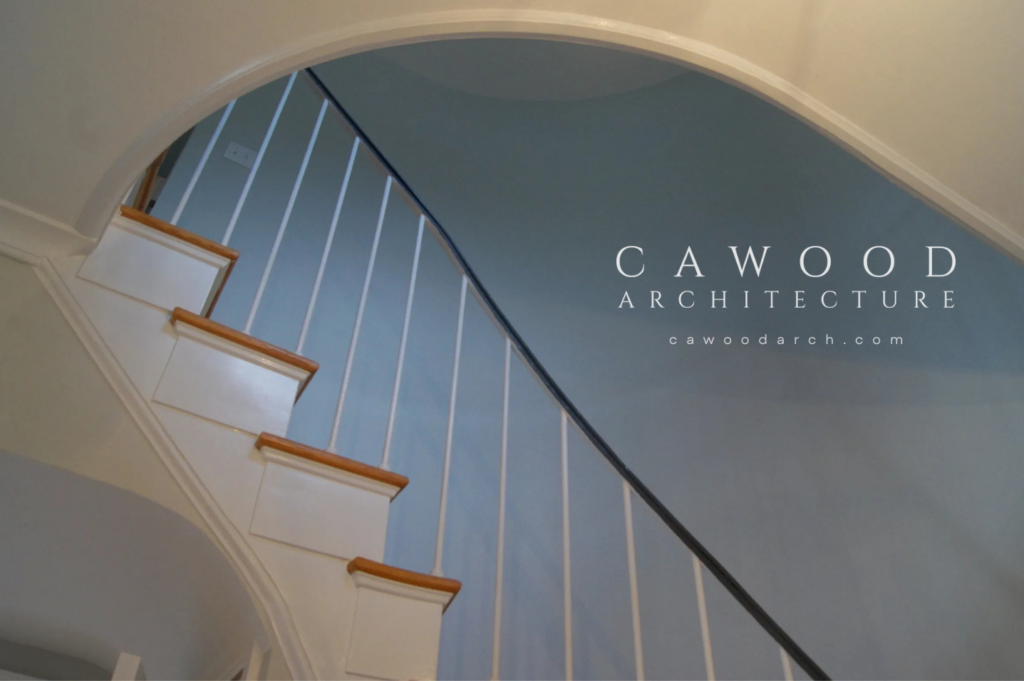
What stands out across their renovation projects is a sensitivity to proportion and flow. Walls come down where they should—but just as importantly, they remain where they matter. Open-plan living isn’t pursued as a default, but as a considered response to how a space wants to function. There’s an understanding that generosity in architecture isn’t just about square footage, but about clarity—of movement, of light, of purpose.
Material choices follow the same philosophy. There’s a preference for honesty: timber that shows its grain, stone that carries its imperfections, steel that’s allowed to age. These elements aren’t used to signal trend, but to anchor the project in something more enduring. Even newer insertions feel grounded, as though they’ve always belonged.
Perhaps most compelling is how their renovations handle contrast. Contemporary interventions are rarely disguised, yet they don’t compete with what came before. Instead, they sharpen it. A clean-lined extension can make an original brick façade feel richer; a minimalist interior can heighten the character of an older structure. It’s a balance that requires restraint—and a clear point of view.
In a moment when renovation culture can sometimes lean toward the formulaic—before-and-after transformations engineered for quick impact—there’s something refreshing about an approach that values continuity over spectacle. The spaces that emerge don’t just look resolved; they feel settled, as if they’ve arrived at a more truthful version of themselves.
That, ultimately, is what defines the best renovation work: not the ability to overwrite a building’s history, but to extend it with care. Cawood Architecture operates comfortably within that philosophy, shaping homes that feel both renewed and deeply rooted—places where change is visible, but never jarring, and where the past is not erased, but carried forward with intention.